
Dish soap is a wonderful cleaner and degreaser, but it definitely has its limitations. When used on the wrong items, it can create a big mess.
Swipe through to learn what you should not clean with dish soap.

The oils in leather that keep it supple and beautiful can be stripped away by dish soap, and you’ll end up with a dry, cracked and discolored item. Instead, use products specifically designed to clean leather.
Since dish soap is designed to clean dishes, it might seem to make sense to use it in the dishwasher, but don’t be tempted to do so. Not only would dish soap create way too many bubbles and result in a giant mess, but you'll get cleaner dishes if you use dishwasher detergent that is specifically formulated to clean dishes in the dishwasher.
If you try to clean mirrors with dish soap, you’ll likely end up with a streaky mess. Dish soap also tends to leave behind residue. Instead, use a commercial glass cleaner or simply use diluted vinegar
While it’s ok to use a tiny bit of dish soap on cast iron to quickly clean it, you definitely don’t want to soak it in soapy water. Doing so would strip out all the flavorful seasoning that has built up as a result of the oils and butter you’ve used to cook with.
Hardwood floors should not be cleaned with dish soap, as it can leave an unsightly residue. More significantly, the cleaning agents in dish soap can remove the protective oils that keep your floors looking beautiful.
If you have the ever-popular stainless steel appliances, don’t use dish soap to clean them — you’ll end up with a ton of streaks. Instead, use products specially formulated for stainless steel.
Photography: Pinterest/Remodelista
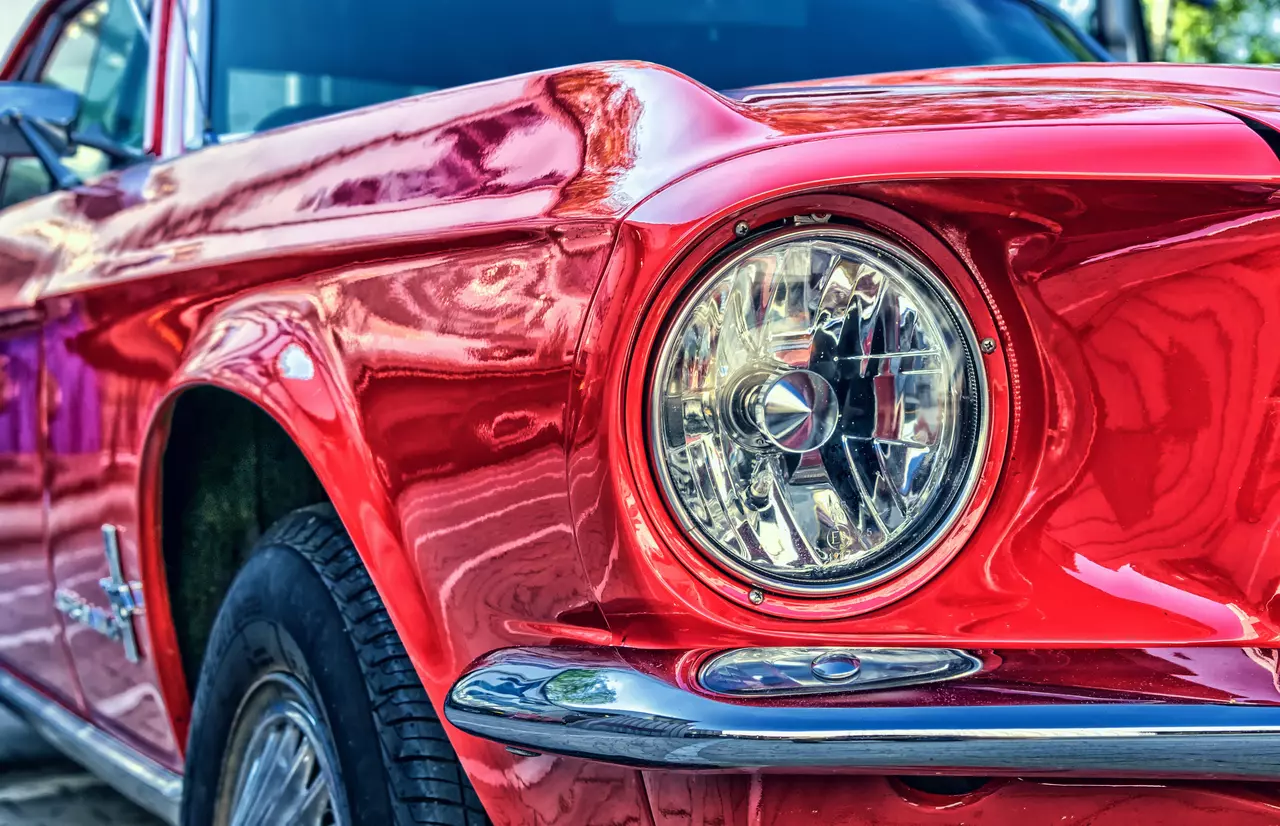
Washing your car with dish soap can strip away the paint’s protective coating, which can leave the paint vulnerable to fading or oxidation. If you're low on car washing soap, it's best to wait until you can buy some.