5 Nike Alpha Project Designs That Changed Footwear
FotoSCAPE

5 Nike Alpha Project Designs That Changed Footwear

Nike launched the Alpha Project in 1999 to test the absolute limits of performance footwear. Designers abandoned traditional rules. Bizarre shoes resembling alien artifacts offered clothing-like fits instead. The project introduced groundbreaking technologies like Shox and Foamposite that redefined how athletes moved. This experimental era ended in the early 2000s, but these silhouettes remain cult classics among modern collectors.
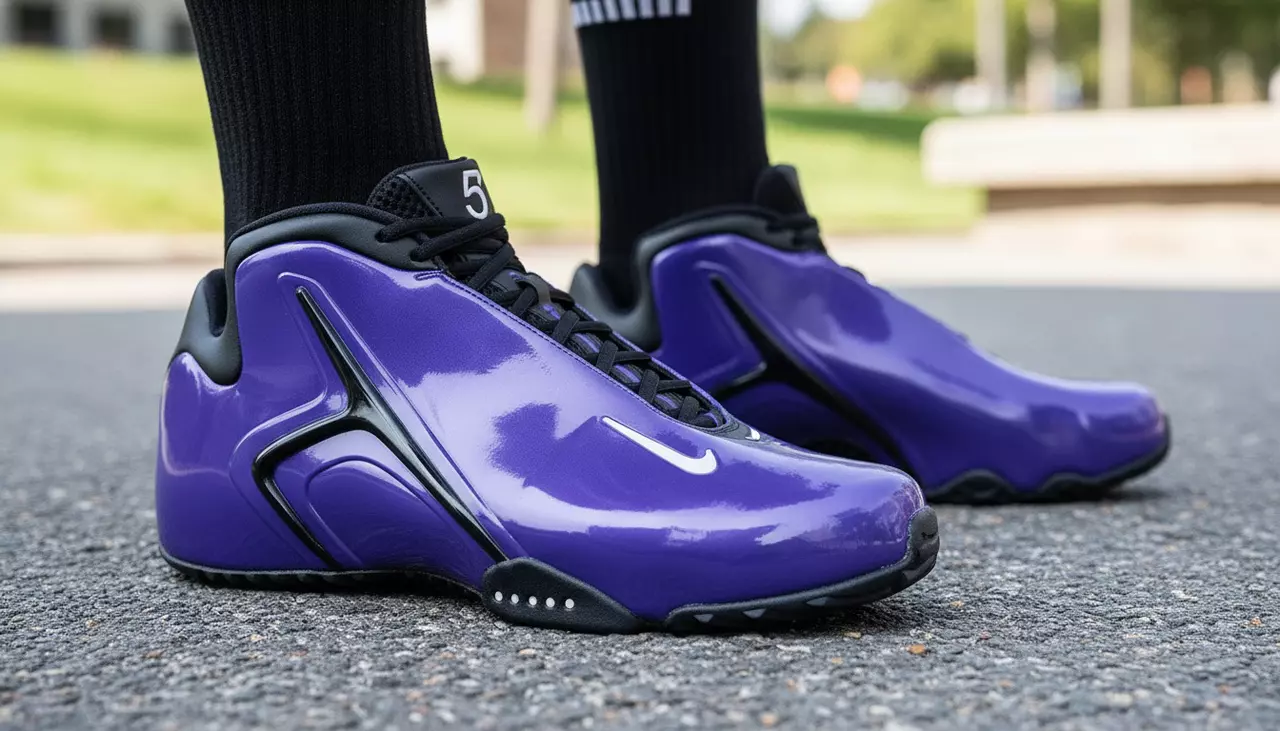
Nike Hyperflight - Jason Williams PE

The 5-Dot Mark

Five horizontal dots marked a radical shift in athletic design. To identify its most experimental products, Nike used this distinct logo across all sports categories. Each mark represented a strict stage in the creation process: Envision, Examine, Establish, Exhibit and Excel.

Air Kukini

Laces vanished entirely on the 2000 Air Kukini and gave way to a transparent TPU cage stretched across the upper. This web-like structure locked the foot down. Thanks to a stripped-back profile, the shoe offered easy entry and remains a favorite in the modern lifestyle market.

Shox R4

Engineers spent over 15 years bringing mechanical cushioning to the retail market. Success finally arrived with the 2000 Nike Shox R4. Underneath the heel, highly resilient foam pillars absorbed impact and returned energy directly to the wearer. This model debuted as the first shoe to feature the exposed technology.

Air Presto

Tobie Hatfield designed the 2000 Air Presto with distinct V-notches at the ankle to improve overall fit. Nike marketed the spacer mesh sneaker as a T-shirt for your feet. Traditional numeric shoe sizes vanished entirely. Instead of standard numbers, buyers selected their pairs from an unconventional size run ranging from XXXS to XXXL.

AIr Flightposite

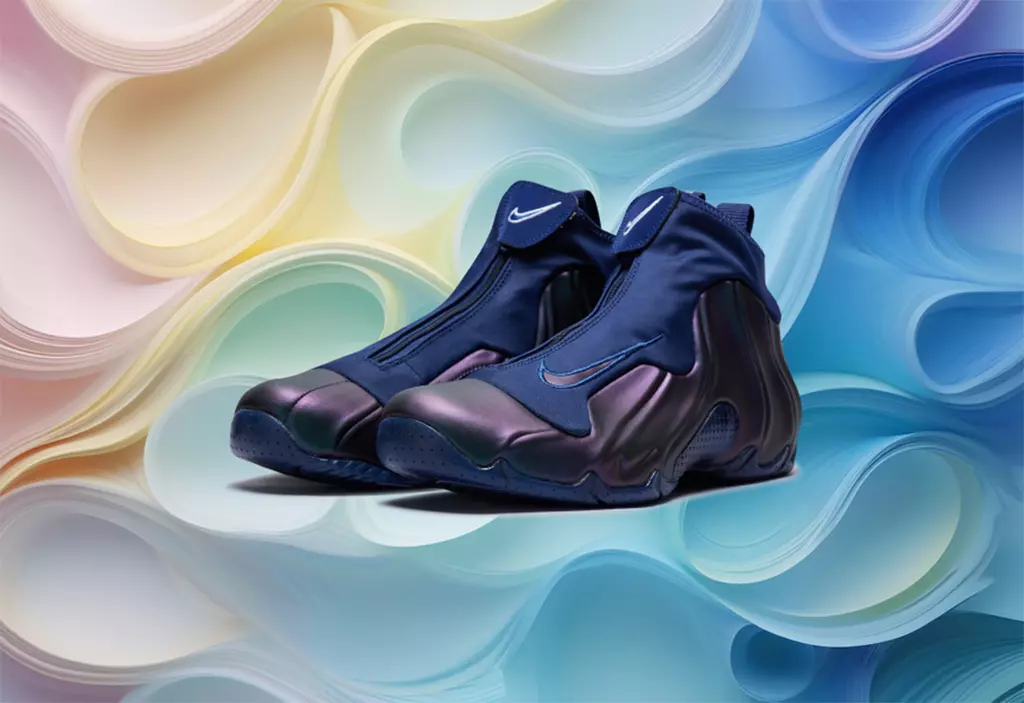
Eric Avar pushed footwear into science fiction with the 1999 Air Flightposite. Foamposite technology allowed the designer to mold a liquid material directly into a solid shoe. No traditional seams existed. Without traditional seams, the unique construction wrapped the foot in a glove-like fit to deliver a wildly futuristic and organic aesthetic.

Recommended For You.